
316L stainless steel powder
UNS S31603 (EN 1.4404, X2CrNiMo17-12-2)
Key Characteristics
- Excellent corrosion resistance in chloride and acidic environments
- Low carbon content for improved weldability
- Good mechanical strength and ductility
- Suitable for additive manufacturing processes such as PBF and DED
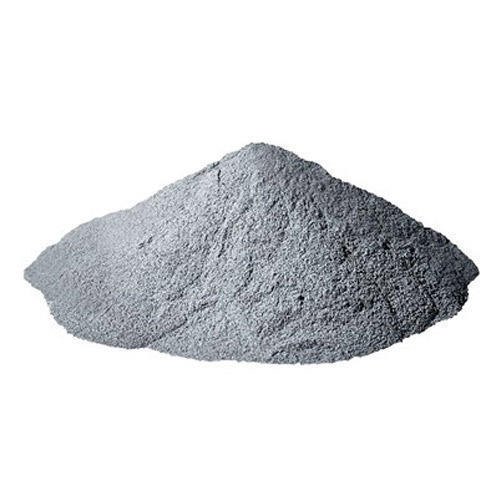
316L Stainless Steel is a high-quality material used for additive manufacturing. This austenitic stainless steel alloy is characterized by its low carbon content, which enhances its corrosion resistance and mechanical properties, making it suitable for a diverse range of applications.
316L stainless steel has excellent corrosion resistance, especially pitting corrosion resistance, due to the addition of 2~3% Mo element. At the same time, it has good high temperature strength performance and excellent work hardening (weak magnetic properties after processing). Nitrogen Atomization Spherical Stainless Steel Powder has the characteristics of low impurity content high sphericity (good fluidity of interval powder), no chemical segregation and stable performance. The powder is optimized for use with additive manufacturing technologies, such as laser powder bed fusion (LPBF), offering consistent performance and high-quality part production.
🏭 Industry Sectors
- Marine and offshore components
- Chemical and petrochemical processing
- Food and beverage equipment
- Aerospace
- Dental and Medical Industries
Composition
| Element | Weight % |
|---|---|
| Fe | Bal. |
| Cr | 16.0 – 18.0 |
| Ni | 10.0 – 14.0 |
| Mo | 2.0 – 3.0 |
| Si | ≤ 1.0 |
| C | ≤ 0.03 |
| Mn | ≤ 2.0 |
| P | ≤ 0.045 |
| S | ≤ 0.03 |
| N | ≤ 0.1 |
Alloy Powder Sizes
| Size Distribution | Typical Uses |
|---|---|
| 10 to 22, ≤ 32 | Binder jetting |
| 20 to 53 / 15 to 45 | Laser – Powder Bed Fusion (L-PBF) |
| 45 to 106 | Electron beam – Powder Bed Fusion (E-PBF) |
53 to 150 | Direct Energy Deposition (DED) |
Heat Treatment
- Stress Relief: 650–800 °C for 1–2 hours
- Solution Annealing: 1010–1120 °C followed by rapid cooling
- HIP (optional): Improves density and fatigue properties
Note: 316L cannot be hardened by heat treatment; only stress relief and solution annealing are used.
Key Materials Properties
| Property Type | Property | Value |
|---|---|---|
| Mechanical | Yield Strength | L-BPF, 200 – 300 MPa Binder jetting, as-sintered 200 MPa |
| Mechanical | Ultimate Tensile Strength | L-BPF, 500 – 700 MPa Binder jetting, as-sintered 500 MPa |
| Mechanical | Elongation to break | L-BPF, 40% Binder jetting, as-sintered 35% |
| Mechanical | Hardness, HV | 220 |
| Mechanical | High Cycle Fatigue limit | |
| Mechanical | Low Cycle Fatigue limit | |
| Thermal | High Temperature Resistance | up to approx. 870°C |
| Thermal | Cryogenic Performance | Ductility and fracture toughness at -196°C |
| Electrical | Resistivity | |
| Physical | Corrosion Resistance | Excellent resistance to pitting and crevice corrosion |
Corrosion Resistance
316L offers excellent resistance to corrosion in chloride-containing environments and acidic conditions. It is widely used in marine and chemical processing applications due to its superior pitting and crevice corrosion resistance compared to 304 stainless steel.
Heat Resistance
Good oxidation resistance up to 870 °C in intermittent service and 925 °C in continuous service. Not recommended for long-term use at high temperatures due to risk of carbide precipitation.
Welding
316L exhibits excellent weldability with all standard fusion and resistance welding processes. Low carbon content minimizes the risk of intergranular corrosion after welding.
Machining
Machinability is similar to other austenitic stainless steels. Use sharp tools, adequate lubrication, and slower speeds to minimize work hardening.