
A205 Aluminium powder
UNS A92050 (EN AC-AlCu4TiB2; A20X™, AMS 7033)
- Highest strength aluminium alloy available for additive manufacturing
- Excellent fatigue and high-temperature performance (up to 200 °C)
- Aerospace-approved with exceptional microstructural stability
- Fully heat-treatable to T7 condition for maximum strength
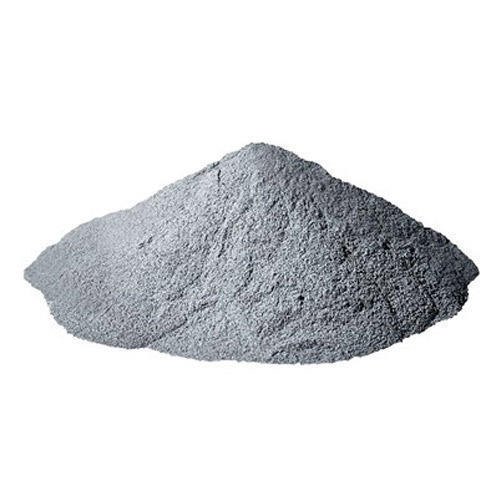
A205 Aluminium powder
A205 (marketed as A20X™) is a high-strength aluminium-copper alloy reinforced with TiB₂ particles, specifically developed for additive manufacturing and aerospace castings. It offers superior mechanical properties, fatigue resistance, and thermal stability compared to conventional aluminium alloys, making it ideal for critical aerospace and defence applications.
🏭 Industry Sectors
- Aerospace: Structural and engine components
- Automotive Motorsport: High-performance components
- Space: Structural and thermal-critical parts
Composition
| Element | Weight % |
|---|---|
| Al | Balance |
| CU | 4.20 – 5.00 |
| Mg | 0.20 – 0.33 |
| Ag | 0.60 – 0.90 |
| Ti | 3.00 – 3.85 |
| B | 1.25 – 1.55 |
| Si | ≤ 0.1 |
| Fe | ≤ 0.08 |
| Other, each | ≤ 0.08 |
| Others | ≤ 0.17 total |
Alloy Powder Sizes
| Size Distribution | Typical Uses |
|---|---|
| 10 to 90 µm | Binder jetting |
| 15 to 60 µm | Laser – Powder Bed Fusion (L-PBF) |
| 15 to 106 µm | Electron beam – Powder Bed Fusion (E-PBF) |
| 45 to 180 µm | Direct Energy Deposition (DED) |
Heat Treatment
- Solution Treatment: ~530–540 °C, water quench
- Aging (T7): 160–170 °C for 6–8 hours
- HIP (optional): Improves density and fatigue properties
Note: Heat treatment is essential to achieve maximum strength and fatigue resistance. A number of aging cycles are available.
Key Materials Properties
| Property Type | Property | Value |
|---|---|---|
| Mechanical | Yield Strength | 390 – 440 MPa |
| Mechanical | Ultimate Tensile Strength | 450 – 510 MPa |
| Mechanical | Elongation to break | 10-13% |
| Mechanical | Young’s Modulus | 75 GPa |
| Mechanical | High Cycle Fatigue limit | |
| Mechanical | Hardness | 140 Hv |
| Thermal | Conductivity | ~150 W/m·K |
| Thermal | Expansion Coefficient | ~23 ×10⁻⁶ /°C |
| Electrical | Resistivity | ~4.8 ×10⁻⁸ Ω·m |
| Physical | Corrosion Resistance | Good |
Corrosion Resistance
Good corrosion resistance in atmospheric and mildly corrosive environments, but not equivalent to Al-Si alloys. Protective coatings are recommended for aggressive conditions.
Heat Resistance
Maintains mechanical integrity up to ~200 °C, outperforming conventional aluminium alloys by ~50 °C.
Welding
Fusion welding is challenging due to high-strength precipitation system; friction stir welding or AM-based joining is preferred.
Machining
Machinability is moderate; use sharp carbide tools, rigid setups, and adequate cooling. Heat-treated condition improves chip formation.