
Nickel alloy HX
UNS N06002 (EN 2.4665, NiCr22Fe18Mo; Hastelloy® HX)
- High strength and creep resistance at elevated temperatures
- Excellent oxidation resistance up to 1200 °C
- Good resistance to carburization and nitriding
- Resistance to stress-rupture cracking
- Outstanding weldability and fabricability
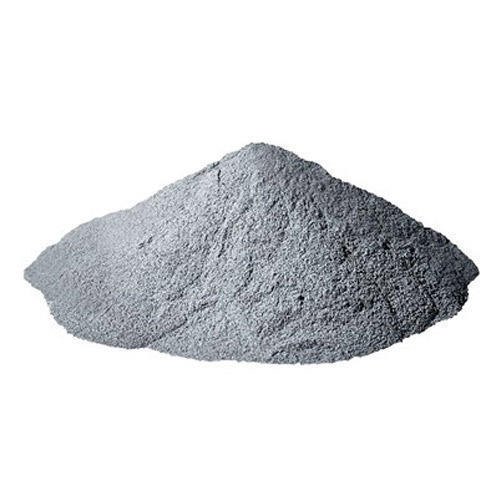
Nickel alloy HX, known to most as Hastelloy® HX, is a nickel-chromium-iron-molybdenum alloy designed for extreme high-temperature environments. It offers exceptional oxidation resistance, thermal stability, and mechanical strength, making it ideal for gas turbine engines, industrial furnaces, and chemical processing equipment. Its solid-solution strengthening and balanced composition ensure durability under severe thermal cycling and corrosive conditions, and even in extreme environments up to 704°C.
🏭 Industry Sectors
- Aerospace: Combustion cans, afterburners, tailpipes
- Power Generation: Gas turbine hot section components
- Chemical Processing: Heat exchangers, reformer tubes
- Industrial Furnaces: Rolls, trays, baffles
- Petrochemical: Reactor components
Composition
| Element | Weight % |
|---|---|
| Ni | Balance |
| Cr | 20 – 23 |
| Fe | 17 – 20 |
| Mo | 8 – 10 |
| Co | 0.5 – 2.5 |
| W | 0.2 – 1.2 |
| Mn | ≤ 1.0 |
| Si | ≤ 1.0 |
| Ti | ≤ 0.15 |
| C | 0.1 |
| Al | ≤ 0.5 |
| P, S | ≤ 0.03 |
Alloy Powder Sizes
| Size Distribution | Typical Uses |
|---|---|
| 10 to 90 µm | Binder jetting |
| 15 to 60 µm | Laser – Powder Bed Fusion (L-PBF) |
| 15 to 106 µm | Electron beam – Powder Bed Fusion (E-PBF) |
| 45 to 180 µm | Direct Energy Deposition (DED) |
Heat Treatment
- Solution Annealing: 1120–1177 °C (2050–2150 °F), rapid cooling
- Stress Relief: Typically not required for AM parts, but HIP is recommended
- HIP (optional): Eliminates porosity and improves fatigue properties
Note: Hastelloy X is solid-solution strengthened and cannot be precipitation hardened.
Key Materials Properties
| Property Type | Property | Value |
|---|---|---|
| Mechanical | Yield Strength | 350 – 400 MPa |
| Mechanical | Ultimate Tensile Strength | 750 – 850 MPa |
| Mechanical | Elongation to break | 30 – 40 % |
| Mechanical | Young’s Modulus | 202 GPa |
| Mechanical | Hardness (HRC) | 85 HRB |
| Mechanical | High Cycle Fatigue limit | ~400 MPa |
| Thermal | Conductivity at 20°C | 9.1 W/m·K |
| Thermal | Expansion Coefficient | 13.0 µm/m·°C |
| Physical | Oxidation | Excellent |
| Physical | Corrosion Resistance | Excellent |
Corrosion Resistance
Nickel alloy HX provides excellent resistance to oxidation, carburisation, and nitriding in high-temperature environments. It also resists chloride-induced stress corrosion cracking and performs well in both oxidising and reducing atmospheres.
Heat Resistance
Maintains strength and oxidation resistance up to 1200 °C. Suitable for cyclic heating and cooling in gas turbines and furnace applications.
Welding
Excellent weldability with all conventional processes, including GTAW, GMAW, and SMAW. Post-weld heat treatment is recommended to restore optimum properties.
Machining
Machinability is similar to other nickel-based superalloys. Use rigid setups, sharp carbide tools, and adequate cooling to minimize work hardening. Recommended cutting speeds: 60–85 m/min for turning, 45–60 m/min for milling.