
Nickel 625 powder
UNS N06625 (EN 2.4856, NiCr22Mo9Nb, Inconel® 625)
- Exceptional corrosion resistance in severe environments.
- High strength from cryogenic to 1093 °C.
- Excellent oxidation and scaling resistance at elevated temperatures
- High tensile, creep, and rupture strength.
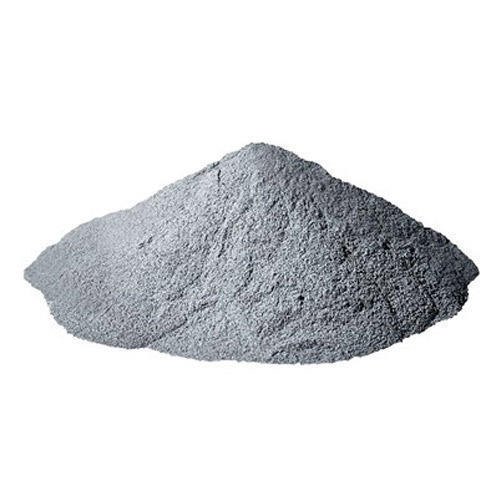
Nickel 625, known to most as Inconel® 625, is a solid-solution strengthened nickel-chromium-molybdenum-niobium alloy designed for extreme environments. It combines high strength, excellent fatigue resistance, and superior corrosion resistance in oxidizing and reducing conditions. Its ability to maintain mechanical integrity from cryogenic temperatures up to 1093 °C makes it a preferred choice for aerospace, marine, and chemical processing applications.
🏭 Industry Sectors
- Aerospace: Engine exhaust systems, thrust reversers, ducting
- Marine: Subsea components, propeller blades, mooring cables
- Chemical Processing: Heat exchangers, reactors, piping systems
- Power Generation: Gas turbine components
- Oil & Gas: Wellhead equipment, riser systems, flare stacks
Composition
| Element | Weight % |
|---|---|
| Ni | Bal |
| Cr | 20.0 – 23.0 |
| Nb | 3.15 – 4.15 |
| MO | 8.0 – 10.0 |
| Ti | ≤ 0.4 |
| Co | ≤ 1.0 |
| Fe | ≤ 5.0 |
| C | ≤ 0.1 |
| Si | ≤ 0.5 |
| P, S | ≤0.015 |
Alloy Powder Sizes
| Size Distribution | Typical Uses |
|---|---|
| 10 to 90 µm | Binder jetting |
| 15 to 60 µm | Laser – Powder Bed Fusion (L-PBF) |
| 15 to 106 µm | Electron beam – Powder Bed Fusion (E-PBF) |
| 45 to 180 µm | Direct Energy Deposition (DED) |
Heat Treatment
- Stress Relief: 870–980 °C for 1–2 hours, air cool
- Solution Annealing: 1050–1150 °C followed by rapid cooling
- HIP (optional): Improves density and fatigue properties
Note: Alloy 625 is solid-solution strengthened and does not require precipitation hardening.
Key Materials Properties
| Property Type | Property | Value |
|---|---|---|
| Mechanical | Yield Strength | 410 – 655 MPa |
| Mechanical | Ultimate Tensile Strength | 820 – 1030 MPa |
| Mechanical | Elongation to break | 30 – 60 % |
| Mechanical | Young’s Modulus | 205 GPa |
| Mechanical | High Cycle Fatigue limit | ~600 MPa |
| Mechanical | Hardness | 145–240 HB |
| Thermal | Conductivity (205 °C) | 12.5 W/m·K |
| Thermal | Expansion Coefficient (205 °C) | 13.1 µm/m·°C |
| Physical | Oxidation Resistance | Excellent |
| Physical | Corrosion Resistance | Excellent |
Corrosion Resistance
Alloy 625 offers outstanding resistance to pitting, crevice corrosion, and chloride-induced stress corrosion cracking. It performs exceptionally in seawater, acidic environments, and oxidizing/reducing conditions, making it ideal for marine and chemical processing applications.
Heat Resistance
Maintains strength and oxidation resistance up to 1093 °C (2000 °F). Suitable for cyclic heating and cooling environments such as gas turbine components and exhaust systems.
Welding
Excellent weldability with all conventional processes, including fusion and resistance welding. Alloy 625 resists sensitization and intergranular corrosion in the welded condition.
Machining
Machinability is similar to other high-strength nickel alloys. Use rigid setups, sharp tools, and adequate cooling to minimize work hardening. Carbide tooling is recommended for best results.