
Nickel alloy 247
UNS N07247 (MAR-M 247, CM247LC)
- High strength and creep resistance at elevated temperatures
- Excellent oxidation and corrosion resistance up to 1000 °C
- Precipitation-strengthened with high γ′ phase content (~60%)
- Resistance to stress-rupture cracking
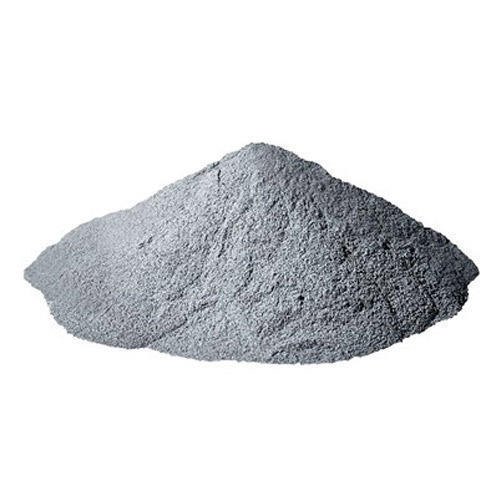
Nickel alloy 247, known to most as MAR-M 247, is a nickel-based superalloy, initially developed and optimised for directionally solidified castings, and now additive manufacturing applications. It offers superior creep resistance, fatigue strength, and oxidation resistance at elevated temperatures, making it ideal for aerospace and power generation turbine components.
🏭 Industry Sectors
- Aerospace: Turbine blades, vanes, and hot-section components
- Power Generation: Gas turbine and combustion section components
- Automotive Motorsport: Turbocharger components
- Petrochemical: Reactor components
Composition
| Element | Weight % |
|---|---|
| Ni | Balance |
| Cr | 8.0 – 8.5 |
| Mo | 0.4 – 0.6 |
| Co | 9.1 – 9.4 |
| W | 9.3 – 9.7 |
| Ta | 3.1 – 3.3 |
| Hf | 1.3 – 1.6 |
| Ti | 0.9 – 0.8 |
| C | 0.07 – 0.09 |
| Al | 5.5 – 5.7 |
| B | ≤ 0.03 |
Alloy Powder Sizes
| Size Distribution | Typical Uses |
|---|---|
| 10 to 90 µm | Binder jetting |
| 15 to 60 µm | Laser – Powder Bed Fusion (L-PBF) |
| 15 to 106 µm | Electron beam – Powder Bed Fusion (E-PBF) |
| 45 to 180 µm | Direct Energy Deposition (DED) |
Heat Treatment
- Solution Annealing: 1230–1250 °C, followed by controlled cooling
- Aging: Multi-step aging to optimize γ′ precipitation
- HIP (optional): Eliminates porosity and improves fatigue properties
Note: Nickel alloy 247 is precipitation-hardened; heat treatment is critical for performance.
Key Materials Properties
| Property Type | Property | Value |
|---|---|---|
| Mechanical | Yield Strength | 650 – 750 MPa |
| Mechanical | Ultimate Tensile Strength | 900 – 1250 MPa |
| Mechanical | Elongation to break | 10 – 20 % |
| Mechanical | Young’s Modulus | 210 GPa |
| Mechanical | Hardness (HRC) | 35 HRC |
| Mechanical | High Cycle Fatigue limit | |
| Thermal | Conductivity at 20°C | 11.0 W/m·K |
| Thermal | Expansion Coefficient | 13.5 µm/m·°C |
| Physical | Oxidation | Excellent |
| Physical | Corrosion Resistance | Excellent |
Corrosion Resistance
Nickel alloy 247 Excellent oxidation and hot corrosion resistance in gas turbine environments. Performs well in oxidizing and mildly reducing atmospheres at high temperatures.
Heat Resistance
Maintains mechanical integrity and oxidation resistance up to ~1000 °C. Suitable for cyclic thermal environments in turbine engines.
Welding
Ni alloy 247 is considered difficult to weld due to its high γ′ content and crack sensitivity. Preheating and post-weld heat treatment are essential. Additive manufacturing strategies often include preheating and controlled cooling to reduce cracking.
Machining
Machinability is poor compared to conventional alloys due to high hardness and work hardening. Use rigid setups, carbide tooling, and low cutting speeds (turning: 60–80 m/min; milling: 45–60 m/min) with adequate cooling.