
Pure copper powder
UNS C11000 (EN CW004A; HCOF)
- Exceptional thermal and electrical conductivity
- Excellent corrosion resistance in most environments
- High ductility
- Suitable for heat exchangers and electrical components
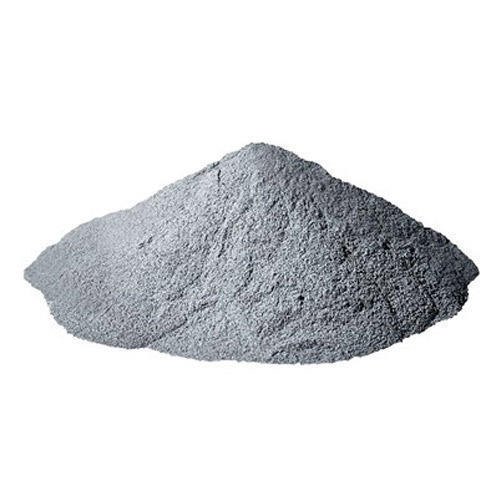
Pure copper (typically 99.9% minimum purity) is widely used in applications requiring superior thermal and electrical conductivity. High Conductivity Oxygen Free (HCOF) is designated at 99.999% pure. In additive manufacturing, copper powder enables the production of complex heat exchangers, induction coils, and electrical components. Due to exhibiting higher reflectivity and thermal conductivity, processing requires very tight control of the laser process parameters. Green/blue laser technology has been demonstrated to process copper more efficiently.
🏭 Industry Sectors
- Electronics: Induction coils, bus bars, connectors
- Aerospace: Thermal management components
- Automotive: Heat exchangers, e-mobility components
- Industrial: Cooling plates, tooling inserts
Composition
| Element | Weight % |
|---|---|
| Cu | Balance |
| O | 0.001 – 0.08 |
| Others | ≤ 0.05 |
Alloy Powder Sizes
| Size Distribution | Typical Uses |
|---|---|
| 10–22 µm | Binder Jet |
| 15–53 µm | Powder Bed Fusion – LASER / E-beam |
| 45–105 µm | Directed Energy Deposition – Blown Powder (a.k.a. laser cladding) |
| 70–150 µm | Directed Energy Deposition – Blown Powder (a.k.a. laser cladding) |
Heat Treatment
- Stress Relief: 200–300 °C for 1–2 hours
- Annealing: 400–650 °C for 30–60 minutes, air cool
- HIP (optional): Improves density and fatigue properties
Note: Pure copper is not hardenable by heat treatment; only stress relief and annealing are used.
Key Materials Properties
| Property Type | Property | Value (H900 condition) |
|---|---|---|
| Mechanical | Yield Strength | 70 – 100 MPa |
| Mechanical | Ultimate Tensile Strength | 210 – 250 MPa |
| Mechanical | Elongation to break | 30 – 40 % |
| Mechanical | Young’s Modulus | 117 GPa |
| Mechanical | Hardness | 50 Hv |
| Mechanical | High Cycle Fatigue limit | |
| Thermal | Conductivity at 20°C | 390–400 W/m·K |
| Thermal | Expansion Coefficient at 20°C | ~16 ×10⁻⁶ /°C |
| Electrical | Resistivity | ~1.6 μΩ.cm |
| Physical | Corrosion Resistance |
Corrosion Resistance
Pure copper offers excellent corrosion resistance in most natural environments, including fresh water and non-oxidising acids. However, it can tarnish in moist air and is susceptible to ammonia-induced stress corrosion cracking.
Heat Resistance
Maintains thermal and electrical conductivity up to ~300 °C. Above this, oxidation accelerates, and mechanical strength decreases.
Welding
Excellent weldability using TIG, MIG, and resistance welding. Care must be taken to avoid hydrogen embrittlement during welding.
Machining
Good machinability, but copper tends to form built-up edges. Use sharp tools, high cutting speeds, and adequate lubrication.